Medical Arts Surgical Group Best Robotic Hiatal Hernia Surgeon

Hiatal Hernia and GERD

A hiatal hernia is characterized by the upward movement of a section of the stomach through the diaphragm into the chest section. The diaphragm, a muscular layer distinguishing the chest from the abdominal region, is pivotal for the act of breathing. When a hernia interferes with this setup, there's an increased propensity for acid to reflux into the esophagus, potentially causing gastroesophageal reflux disease (GERD). GERD represents a prolonged disorder where acid from the stomach recurrently enters the esophagus, inducing symptoms like heartburn, upward flow of stomach contents, and even swallowing challenges. Continuous GERD might result in issues like esophageal inflammation, esophageal constriction, or the emergence of Barrett's esophagus.

Medical Arts Surgical Group Best Robotic Hiatal Hernia Surgeon

Hiatal Hernia and GERD

The Necessity of Surgery for Hiatal Hernia and GERD

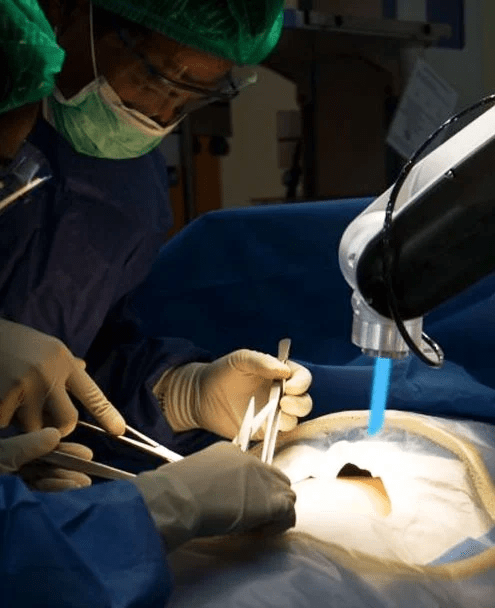
Although many individuals with hiatal hernias don't exhibit symptoms, some grapple with pronounced heartburn, the upward flow of stomach contents, and acid reflux episodes. When initial measures like dietary changes, weight loss strategies, and therapeutic drugs don't alleviate the symptoms, surgical measures may be explored. Surgical procedures target the repair of the hernia and the reinforcement of the lower esophageal sphincter (LES) to curtail acid reflux. The necessity and choice of surgery are dictated by aspects like hernia magnitude, its classification, the age of the patient, their general health, and the existence of other complicating factors.

Medical Arts Surgical Group Best Robotic Hiatal Hernia Surgeon

Surgical Procedures for Hiatal Hernia and GERD

Fundoplication: Recognized as the go-to surgery for tackling hiatal hernias and combatting GERD, this method wraps the stomach's upper segment, termed the fundus, around the esophagus's lower extremity. This reinforcement of the LES curtails the potential of acid reflux. Surgeons have the option of a laparoscopic technique with a few tiny punctures or a more traditional open approach. Often, patients recovering from laparoscopic surgeries report swifter healing and reduced post-operative soreness.

LINX Device Placement: This modern method involves positioning a sequence of miniature magnetic beads at the juncture of the stomach and esophagus. These beads bolster the LES's defense mechanism, maintaining its closure against acid reflux but permitting temporary openings for nourishment and liquid intake.

Surgical Procedures for Hiatal Hernia and GERD
Recovery and Post-operative Care

Recovery and Post-operative Care

Recovering from a hiatal hernia and GERD operation follows a clear protocol. A short stint in the hospital, typically spanning a couple of days, is expected for detailed monitoring post-surgery. Many patients find they can cautiously return to their day-to-day activities within a few weeks, though with some constraints. The post-surgery dietary journey often begins with liquids, moves on to soft foods, and then culminates in the reintroduction of a standard diet. It's vital for patients to rigorously stick to the surgeon's directives on diet, exercise, and medications. Ensuring regular medical follow-ups post-operation is crucial to determine the procedure's efficacy, be alert to complications, and guarantee ongoing well-being.

Check our other pages :